Committee
How to show a clear academic direction on your application
A former Stanford reader's account of why a coherent academic direction helps, and how to argue for one interest across courses, activities and essays.
SourceBased on what we at Aristo learned from the Stanford admissions office.
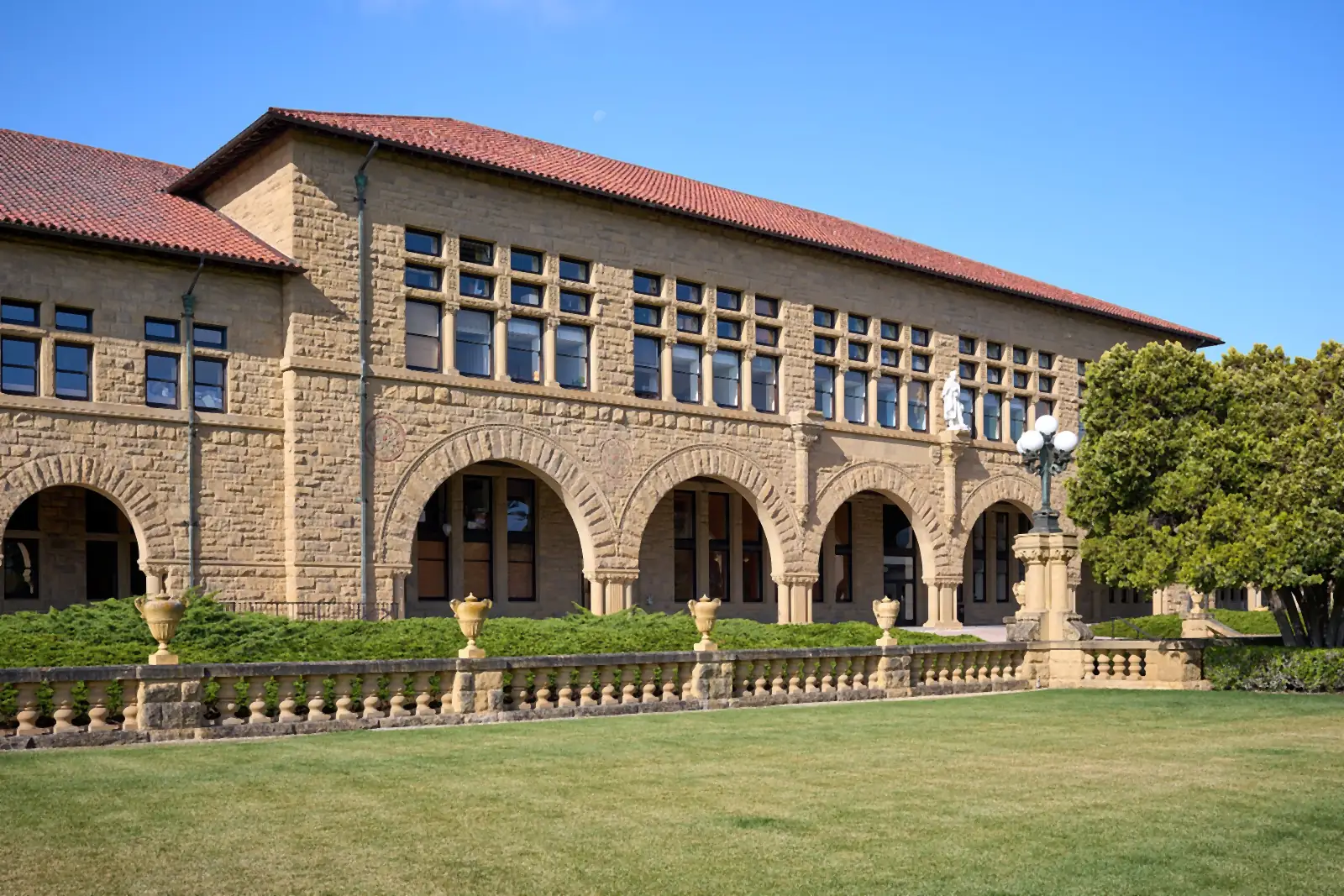

Admissions readers at Stanford, as in the office we learned from, choose undergraduates on behalf of a faculty that never sees the applications. At most selective universities the professors don't pick the students they will teach. They hand that job to a small office of readers, and readers understood the brief in plain terms: bring us students who think the way we do, ideally ones already drawn to our field.
Most families never learn who the reader is working for, and so they assemble a file for the wrong audience. Taken seriously, that brief changes what every part of the application is for.
Considering the academic audience for your application
That brief explains a great deal that otherwise looks arbitrary. It is why a perfect transcript attached to a general-purpose file can lose to a slightly weaker transcript attached to a student who has visibly started down a road. A linguistics professor has little use for a student who is good at everything in equal measure. She wants the one who has been reading about how toddlers acquire grammar and now hears it everywhere, at the dinner table and on the bus.
It also explains why the application asks for an intended field at all. Families treat that box as a formality, or worry that naming a major will trap the student. To a reader it is the frame for everything that follows, the lens through which the activities page, the essays and the letters are read.
A reader moving at speed should be able to name the student's department without flipping back.
One argument, made in every section
So treat the application as a brief addressed to a particular department. The future plans box names the department. The activities page supplies the evidence that the interest has already cost the student real time: courses beyond the school's catalog, serious reading, research, writing submitted somewhere. The main essay shows how the student's mind works on the subject. The supplements explain why this university's professors are the right people to learn from. The letters, ideally one from a teacher in the field, confirm that the interest showed up in a classroom long before October.
None of this means giving up the rest of a life. The job, the sport and the family duties stay, and they become the parts of the file that make the scholar a person. What changes is the emphasis. A reader moving at speed should be able to name the student's department without flipping back.
A check you can run tonight
Cover the student's name and hand the draft to someone who doesn't know them. Ask them to read only the first three activities and the opening paragraph of the essay, then name the field. If they guess it, the file is doing its work. If they hedge between medicine and business, the file is still a résumé, and no professor asked for a résumé.
How does this apply to your child’s application?
Book a free call to discuss your child’s application with a Specialist and ask which tactics are relevant to their plans.