Committee
What is the Harvard personal rating?
How Harvard's personal rating, made public in litigation, assessed applicants through essays, letters and interviews, and why accomplished files can read bland.
SourceBased on what we at Aristo learned from Harvard's reading procedures, made public in the SFFA trial, and from former Harvard admissions officers.
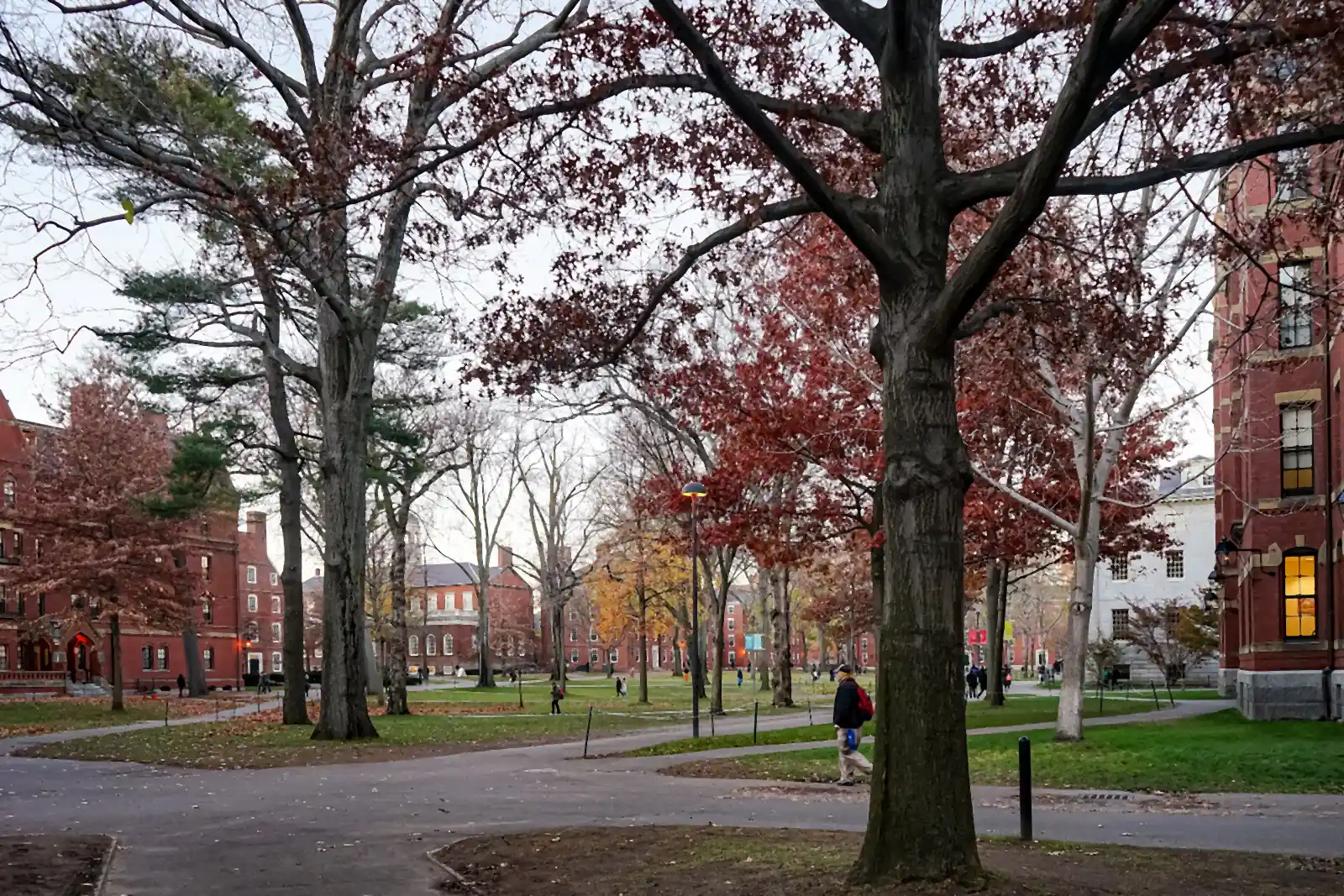

Harvard's admissions readers give every applicant a personal rating, and its scale, made public in the court record of the SFFA trial, runs from 1 for outstanding personal qualities to 6 for worrisome ones. Of all the ratings Harvard assigns, this was the one that drew the most attention at trial. A 3 is generally positive. The description of a 4 is where families should slow down, because its wording names a quality that an accomplished, hardworking applicant can be given without ever doing anything wrong.
Knowing what the rating looks for, and how a strong file slides toward the wrong end of it, is the difference between a reader who can picture your child and one who cannot.
What Harvard's personal rating assessed
The reading procedures list the qualities readers weigh: humor, sensitivity, grit, leadership, integrity, helpfulness, courage and kindness. Very few of those show up in grades, and only some show up in an activities list. They surface in the essays, in the way teachers describe you, in the interviewer's report and in the small choices of tone across the whole file.
Files that students later requested under federal privacy law show how this plays out. In one, a reader worried that an applicant's schedule looked almost too demanding, then wrote that her evident joyfulness was reassuring. In another, drawn from the trial exhibits, readers repeated a school report's description of the student as unusually caring and cheerful, and an interviewer noted that he seemed like someone who would make a great roommate. These are judgments about warmth, and they were written down.
A 4 is described as bland, somewhat negative or immature.
Why accomplished files drift toward bland
A file built entirely of achievement can leave a reader with no person to picture. Former Harvard officers describe a background worry when they read very high achievers: whether this student will be good company in a dorm, a seminar, a dining hall. Nothing in a list of trophies answers it. A file that never laughs, never admits doubt and never shows the student helping anyone gives the reader nothing to write in the personal box except something polite.
What to do about it
Let one essay show you enjoying something for its own sake. Allow a line of humor where it comes naturally, in a short answer or an activity description. Ask a recommender who has seen you help a classmate or take a hit with good grace to describe that moment. And in the interview, talk the way you talk with people you like. Confidence with humility, as a former Harvard reader put it, is the target. Nobody needs to perform as an extrovert.
How does this apply to your child’s application?
Book a free call to discuss your child’s application with a Specialist and ask which tactics are relevant to their plans.